Tolo Lake History
On the Camas Prairie near Grangeville, Idaho, sits a shallow lake where over 600 Nez Perce gathered on June 2, 1877, to begin their compliance with the government's order to relocate. Within days, that gathering became the center of conflict.
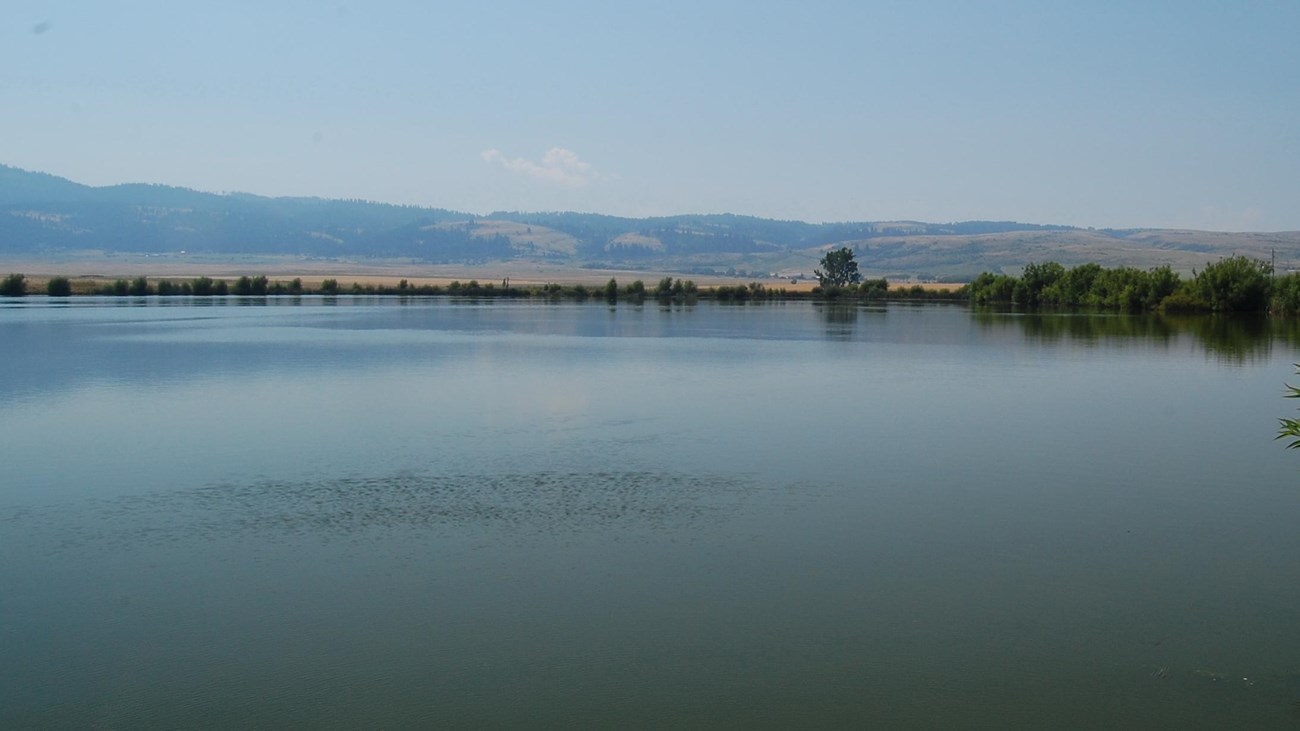
Tepahlewam — A Sacred Place
Tepahlewam means "Split Rocks" in nimíipuu (Nez Perce), referring to Rocky Canyon west of the lake. This shallow 36-acre body of water has been a gathering place for countless generations. The Nez Perce came to harvest camas root and to meet with neighboring bands. Deep cultural meaning flows through this place.
June 1877 — The Gathering
By June 2, 1877, at least 600 Nez Perce from several non-treaty bands, including Chief Joseph's band, had assembled at Tolo Lake. They were complying with General Howard's order to resettle on the smaller reservation. The resignation was bitter. The reservation guaranteed by the Treaty of 1855 had already been reduced by 90 percent through the 1863 "Steal Treaty" — a document most of these bands had never signed.
Emotions ran high as the people's last days of true freedom slipped away. The counsels went late into the night as leaders grappled with the impossible choice before them.
The Raids Begin
On the night of June 13, three young warriors from White Bird's band — incensed by past injustices and killings — left the encampment seeking vengeance. Unable to find their intended target, they raided other settlements, killing several settlers. More warriors joined them on June 14. By day's end, eighteen settlers lay dead.
Fear swept through both the settler community and the Nez Perce gathered at Tolo Lake. The chiefs broke council immediately. Knowing retribution would come, they gathered their families and stock and hurried to find safer ground to await the army's arrival.